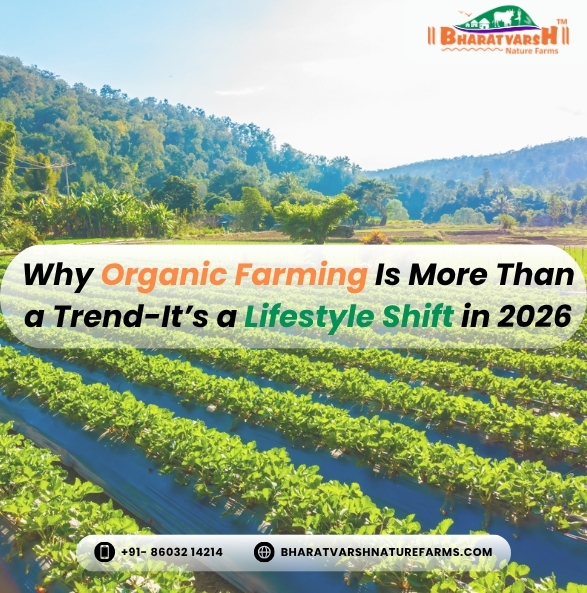
In recent years, the world has witnessed a powerful transformation in the way people think about food, health, and the environment. What was once considered a niche practice has now evolved into a global movement. In 2026, the concept of an Organic Farming Lifestyle Shift is no longer just about farming-it’s about redefining how we live, eat, and interact with nature.
From urban households choosing organic produce to farmers embracing sustainable methods, the shift is real, impactful, and here to stay. This blog explores why this transformation is happening, what it means for the future, and how organizations like Bharatvarsh Nature Farms are playing a pivotal role in promoting a healthier and more sustainable lifestyle.
Understanding the Organic Farming Lifestyle Shift
The Organic Farming Lifestyle Shift is not just about eliminating chemicals from farming-it’s about adopting a holistic way of life that prioritizes health, sustainability, and ecological balance. People are no longer satisfied with just consuming food; they want to understand its origin, quality, and impact.
This shift is driven by a growing awareness of the Environmental impact of organic farming, increasing health concerns, and a desire for more ethical and sustainable living practices.
The Rise of Organic Farming in 2026
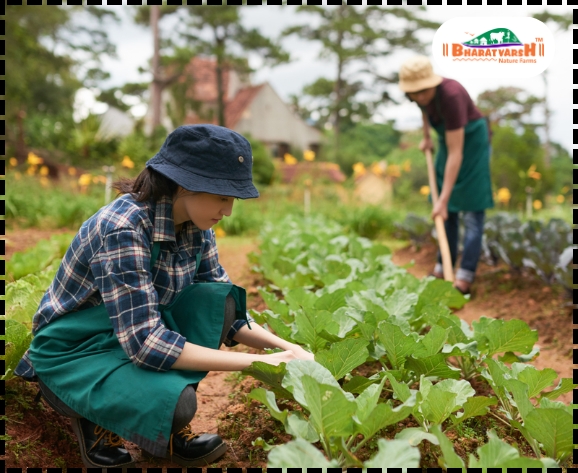
Changing Consumer Mindset
Today’s consumers are more informed than ever. They are reading labels, researching sources, and actively choosing organic options. This surge is directly linked to the rising Organic food demand growth, which continues to expand across urban and rural markets alike.
Increased Awareness About Health
The growing focus on wellness has highlighted the health benefits of organic food, making it a preferred choice for families. People now understand that what they eat directly impacts their physical and mental well-being.
Climate Change and Sustainability
Global environmental challenges have forced a shift toward Sustainable agriculture practices. Organic farming is seen as a solution to reduce carbon footprints and promote biodiversity.
Benefits of Organic Farming in 2026
The benefits of organic farming in 2026 go far beyond just healthier produce. Let’s explore them in detail:
1. Improved Soil Health
Organic farming enhances soil fertility through natural composting and crop rotation. This is one of the key benefits of organic farming in 2026, ensuring long-term agricultural productivity.
2. Safer Food Production
By eliminating harmful chemicals, organic farming offers significant Chemical-free farming benefits, ensuring food is safe for consumption.
3. Environmental Protection
The reduced use of synthetic inputs minimizes pollution, highlighting the Environmental impact of organic farming as a positive force.
4. Better Nutritional Value
Studies suggest that organic foods are richer in nutrients, reinforcing the health benefits of organic food.
5. Economic Sustainability
Farmers adopting organic methods often benefit from premium pricing, contributing to the Future of organic agriculture.
Organic Farming Trends Shaping 2026
The evolution of Organic farming trends reflects a deeper societal shift toward sustainability:
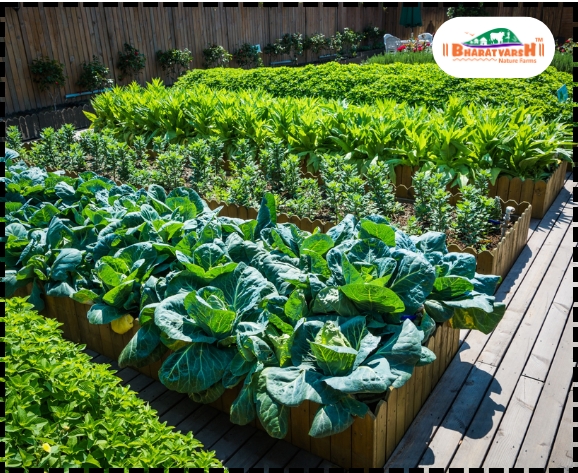
Urban Organic Farming
Rooftop gardens and community farms are becoming popular, especially in cities.
Farm-to-Table Movement
Consumers prefer direct sourcing from farms, supporting Organic food demand growth.
Technology Integration
Modern tools are being used to enhance Eco-friendly farming methods, making organic farming more efficient.
Agro-Tourism
Organizations like Bharatvarsh Nature Farms are promoting experiential farming, allowing people to reconnect with nature.
Sustainable Agriculture Practices: The Core of Organic Living
At the heart of the Organic Farming Lifestyle Shift lies the adoption of Sustainable agriculture practices. These practices ensure that farming is not only productive but also environmentally responsible.
Key Practices Include:
- Crop rotation
- Composting
- Biological pest control
- Water conservation
These Sustainable agriculture practices are essential for maintaining ecological balance and ensuring long-term food security.
Chemical-Free Farming Benefits: Why It Matters
The shift towards organic farming is largely driven by the undeniable Chemical-free farming benefits:
- Reduced health risks
- Cleaner water sources
- Safer ecosystems
These Chemical-free farming benefits are not just limited to consumers but also extend to farmers who are no longer exposed to harmful substances.
Eco-Friendly Farming Methods Transforming Agriculture
The adoption of Eco-friendly farming methods is revolutionizing agriculture. These methods focus on minimizing environmental damage while maximizing productivity.
Examples of Eco-Friendly Methods:
- Natural fertilizers
- Rainwater harvesting
- Renewable energy usage
Such Eco-friendly farming methods are key to supporting the Future of organic agriculture.
Natural Farming vs Conventional Farming
Understanding the difference between Natural farming vs conventional farming is crucial to appreciating the Organic Farming Lifestyle Shift.
Natural Farming:
- Relies on natural inputs
- Promotes biodiversity
- Enhances soil health
Conventional Farming:
- Uses chemical fertilizers
- Focuses on high yield
- Can harm the environment
The debate of Natural farming vs conventional farming clearly shows why organic methods are gaining popularity.
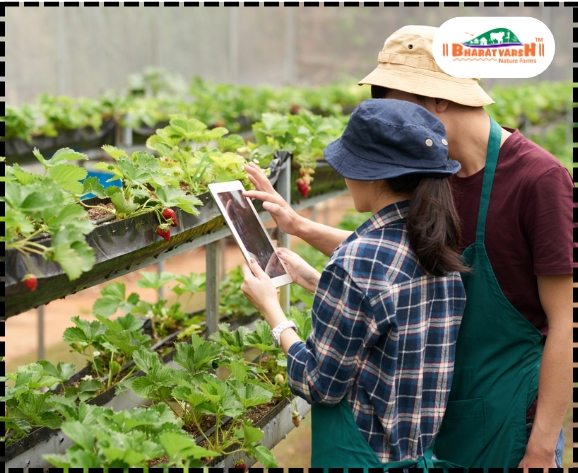
Health Benefits of Organic Food
One of the strongest drivers of the Organic Farming Lifestyle Shift is the growing awareness of the health benefits of organic food.
Key Health Advantages:
- Free from pesticides
- Higher antioxidant levels
- Better taste and freshness
These health benefits of organic food make it a preferred choice for health-conscious individuals.
Environmental Impact of Organic Farming
The Environmental impact of organic farming is overwhelmingly positive. It supports biodiversity, reduces pollution, and conserves natural resources.
Key Environmental Benefits:
- Improved soil structure
- Reduced greenhouse gas emissions
- Enhanced wildlife habitats
This positive environmental impact of organic farming makes it a sustainable solution for future generations.
Organic Food Demand Growth: A Global Phenomenon
The surge in Organic food demand growth is a clear indicator of changing consumer preferences.
Factors Driving Demand:
- Health awareness
- Environmental concerns
- Better accessibility
This continuous Organic food demand growth is shaping the Future of organic agriculture.
Future of Organic Agriculture
The Future of organic agriculture looks promising, with increasing investments, government support, and consumer demand.
What Lies Ahead:
- Expansion of organic markets
- Technological advancements
- Greater adoption of Sustainable agriculture practices
The Future of organic agriculture is not just about farming-it’s about creating a sustainable world.
Role of Bharatvarsh Nature Farms in the Organic Movement
Bharatvarsh Nature Farms is at the forefront of promoting the Organic Farming Lifestyle Shift. By integrating traditional farming techniques with modern sustainability practices, they are setting an example for others to follow.
Their Contributions:
- Promoting Eco-friendly farming methods
- Educating communities about Chemical-free farming benefits
- Supporting Organic food demand growth
Their efforts are helping individuals embrace a healthier and more sustainable lifestyle.
Why Organic Farming Is a Lifestyle, Not Just a Trend
The Organic Farming Lifestyle Shift goes beyond agriculture-it influences daily choices, from food consumption to waste management.
Key Lifestyle Changes:
- Choosing organic products
- Reducing waste
- Supporting local farmers
This shift reflects a deeper commitment to health, sustainability, and environmental responsibility.
Challenges in Organic Farming
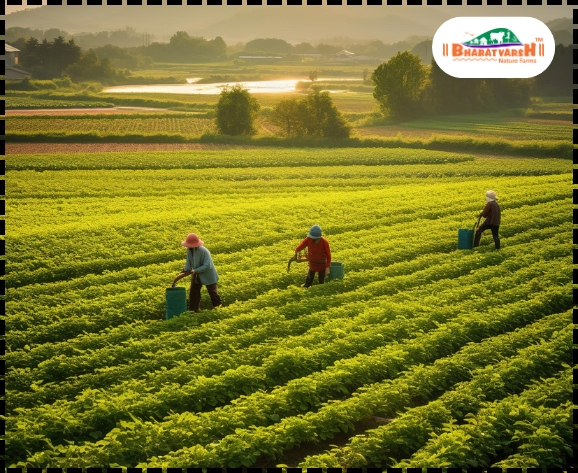
While the benefits are numerous, the Organic Farming Lifestyle Shift also comes with challenges:
- Higher initial costs
- Certification processes
- Limited awareness in some regions
However, with increasing support and awareness, these challenges are gradually being overcome.
How You Can Be Part of the Organic Movement
Adopting the Organic Farming Lifestyle Shift doesn’t require you to be a farmer. Small changes can make a big difference:
- Buy organic produce
- Start a home garden
- Support sustainable brands
Every step contributes to a healthier planet.
Conclusion
The Organic Farming Lifestyle Shift in 2026 represents a powerful transformation in how we approach food, health, and the environment. It is no longer just a trend-it’s a necessity.
With growing awareness about the Benefits of organic farming in 2026, increasing Organic farming trends, and a strong push toward Sustainable agriculture practices, the future looks promising.
Organizations like Bharatvarsh Nature Farms are leading the way, inspiring individuals to embrace a lifestyle that prioritizes well-being and sustainability.
Also Read: The Growing Demand for Organic Products in India – Bharatvarsh Nature Farms
FAQs
1. What is the Organic Farming Lifestyle Shift?
A: The Organic Farming Lifestyle Shift refers to adopting organic farming principles not just in agriculture but in daily living, focusing on sustainability and health.
2. What are the Benefits of Organic farming in 2026?
A: The Benefits of organic farming in 2026 include improved soil health, safer food, environmental protection, and economic sustainability.
3. How does organic farming impact the environment?
A: The Environmental impact of organic farming is positive, as it reduces pollution, enhances biodiversity, and conserves natural resources.
4. Why is there a rise in Organic food demand growth?
A: The rise in Organic food demand growth is driven by health awareness, environmental concerns, and better accessibility.
5. What is the difference between Natural farming vs conventional farming?
A: The comparison of Natural farming vs conventional farming shows that organic methods are more sustainable and environmentally friendly.
6. How can I start adopting an organic lifestyle?
A: You can begin the Organic Farming Lifestyle Shift by choosing organic food, supporting sustainable practices, and reducing chemical usage in daily life.
Follow us on:
 Facebook ||
  YouTube ||
  Instagram
 Visit Us
Bharatvarsh Nature Farms
At Post Virli, Taluka, Dist, Umred, Maharashtra 441204
 Call: +91-8650214214, 9284004266, 8830536585
 Website: https://www.bharatvarshnaturefarms.com
 Email: info@bharatvarshnaturefarms.com